How to Say Black in Different Languages
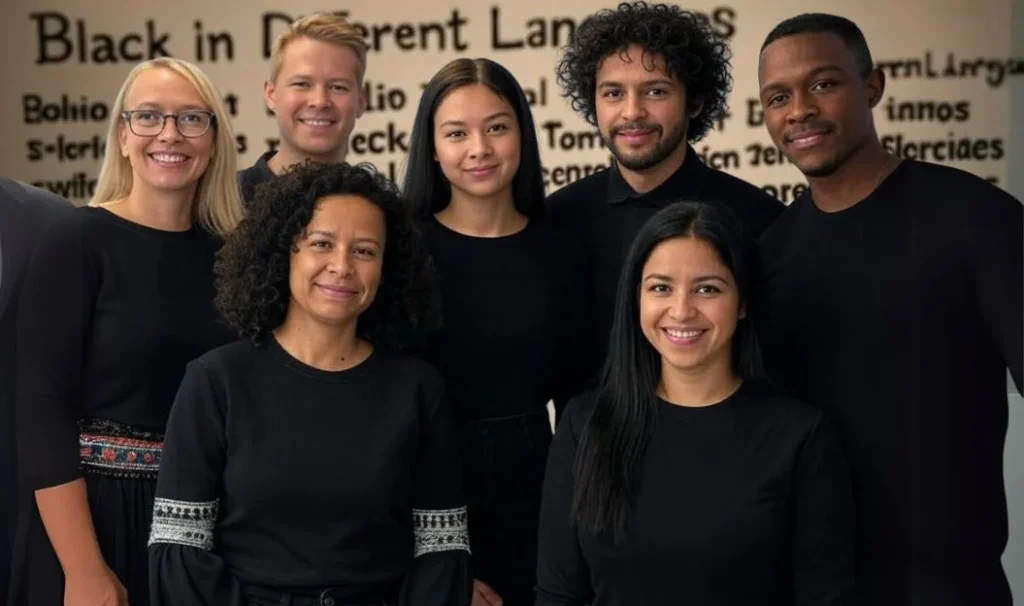
The color black carries different weight in different parts of the world. In some cultures it signals formality and sophistication. In others it represents mourning, strength, the unknown, or even good fortune depending on context. It’s one of those colors that almost every language treats as more than just a color. This guide covers how […]
What Does ‘Dónde Estás’ Mean? A Simple Guide to Spanish Phrases
“Dónde Estás?” means “Where are you?” in English. However, Spanish speakers use it to ask for someone’s location. It has many meanings. Therefore, keep reading to learn its meaning. You will learn about its cultural use. What does Dónde Estás mean? Dónde” means “where” “Estás” is the second-person form of “estar.” The word is a […]
“Cheers” in Korean: Formal, Informal, and Slang Variations

“Geonbae” is a common Korean term. Friends use it when having drinks. The word is a lot like “cheers” in English. It means friendship. Everyone enjoys goodwill. The word “geonbae” originates from Korean. It means “empty glass.” Chinese characters “乾” (dry) and “杯” (cup) are the origins of the word: The word symbolizes drinking everything […]
What Does Mi Corazon Mean? Why ‘Mi Corazon’ Hits Right in the Heart

“Mi corazon” literally translates to “my heart” in English, and it’s much more than just a phrase, it’s a heartfelt expression of affection. Whether used romantically, with friends, or family, this Spanish term carries deep emotional power. If you’re interested in learning more about its meaning and cultural impact, keep reading our best article below! […]
Compound Words for Kids: Complete List + Activities by Grade (2026)
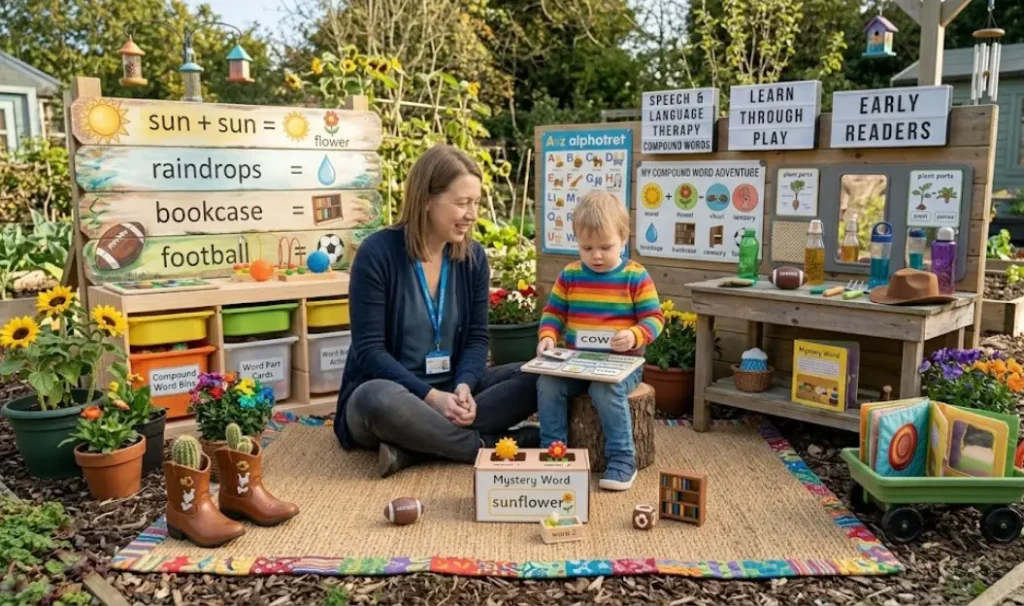
Quick answer: Compound words are two or more small words joined together to make a new word with a different meaning, like “sun” + “flower” = “sunflower” or “tooth” + “brush” = “toothbrush”. Kids typically start learning simple closed compound words in kindergarten (butterfly, baseball, rainbow) and progress to more complex open compounds (ice cream, […]
Alphabet Recognition Activities: Complete Guide for Teaching Letter ID 2026
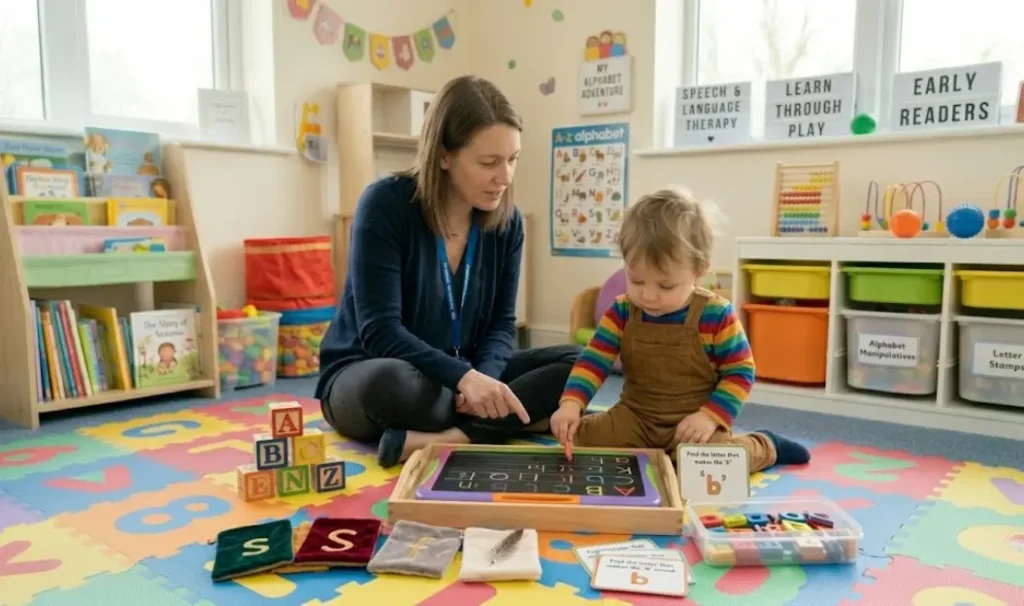
Quick answer: The best alphabet recognition activities use multisensory approaches combining visual, tactile, and kinesthetic learning: letter hunts, playdough letter formation, alphabet sensory bins, letter matching games, and hands-on crafts. For ages 2-3, focus on one letter weekly with repetitive exposure through songs, stories, and play. For ages 4-5, practice letter-sound connections and distinguishing similar […]
CVC Words List: Complete Guide for Teaching Early Reading 2026
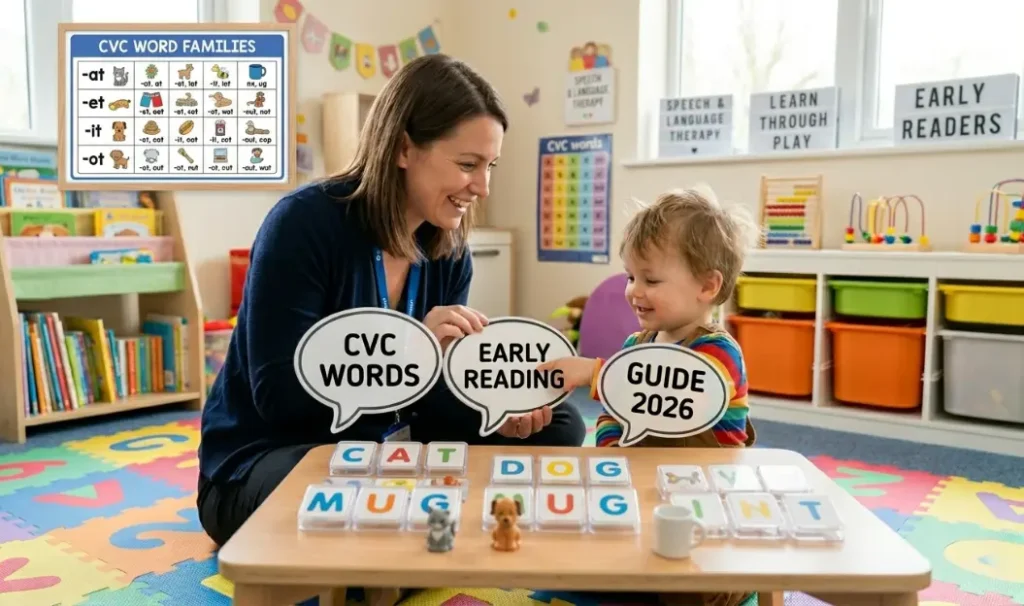
Quick answer: CVC words (Consonant-Vowel-Consonant) are three-letter words with the pattern consonant + short vowel + consonant, such as cat, dog, sit, run, and hop. These are the first words children learn to decode because they follow simple, predictable phonetic patterns. The complete CVC words list includes 350+ common words organized by vowel sound (short […]
Phonics Activities for Preschoolers: Complete Guide (Ages 3-5)
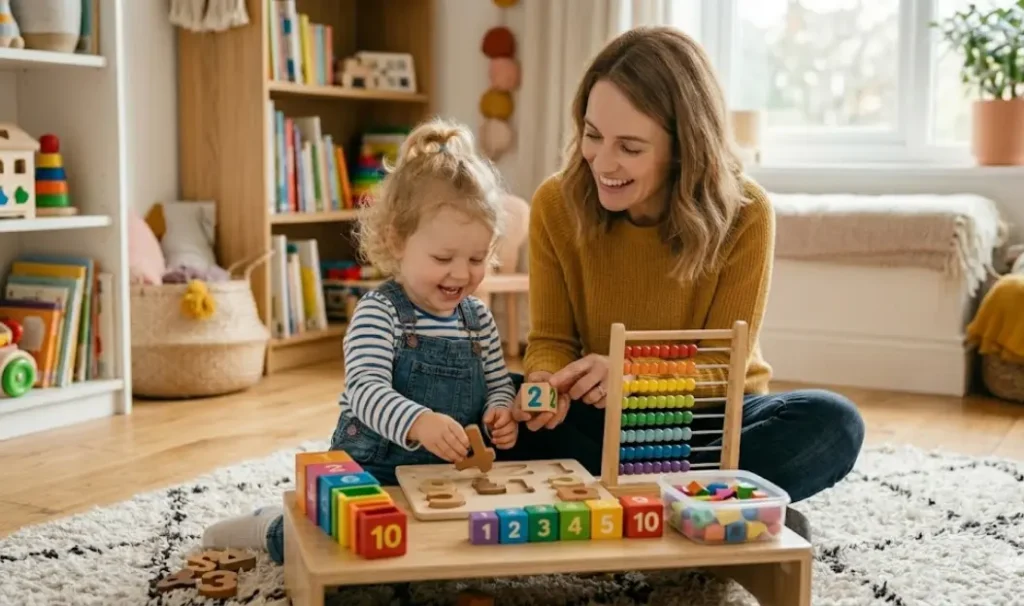
Quick answer: The most effective phonics activities for preschoolers combine play-based learning, multisensory engagement, and repetition through activities like letter sound hunts, alphabet playdough mats, rhyming games, sound sorting bins, and interactive songs. Preschoolers (ages 3-5) learn best through hands-on, game-based phonics activities that last 5-15 minutes and incorporate movement, visuals, and tactile elements rather […]
SLT vs MLT in Schools: Roles, Responsibilities & Who to Contact (Parents & Teachers Guide)
SLT and MLT are not the same. SLT handles whole-school leadership and strategy, while MLT manages day-to-day teaching, subjects, and year groups. Knowing the difference helps parents contact the right person and helps teachers work more effectively inside the school structure. Schools run on structure, but that structure is not always clear from the outside. […]
What Is Your Greatest Weakness as a Teacher? Best Interview Answers With Examples
Your greatest weakness as a teacher should be a real, skill-based area for improvement, shared honestly and paired with clear steps you are taking to improve. Interview panels are not searching for perfection; they want self-aware teachers who reflect, grow, and keep students at the centre of their practice. Why Interviewers Ask “What Is Your […]