What Does ‘Dónde Estás’ Mean? A Simple Guide to Spanish Phrases
“Dónde Estás?” means “Where are you?” in English. However, Spanish speakers use it to ask for someone’s location. It has many meanings. Therefore, keep reading to learn its meaning. You will learn about its cultural use. What does Dónde Estás mean? Dónde” means “where” “Estás” is the second-person form of “estar.” The word is a […]
Toddler Sleep: Everything You Need to Know (Ages 1–4)

If you have ever spent forty-five minutes getting a toddler to sleep, only for them to wake up at 5:30am fully refreshed and ready to dismantle the living room, you already understand that toddler sleep is its own category of parenting challenge. It is not simply a smaller version of adult sleep. It operates on […]
Why Don’t We Teach Young Children About Mental Health?

We don’t teach young children about mental health largely due to societal stigma, misconceptions about childhood resilience, and the education system’s focus on academics. For the full story on why this gap exists and how it impacts the next generation, keep reading below. The Current Landscape of Mental Health in Young Children Did you know […]
Benefits of Nursery: 12 Reasons Early Nursery Education Matters
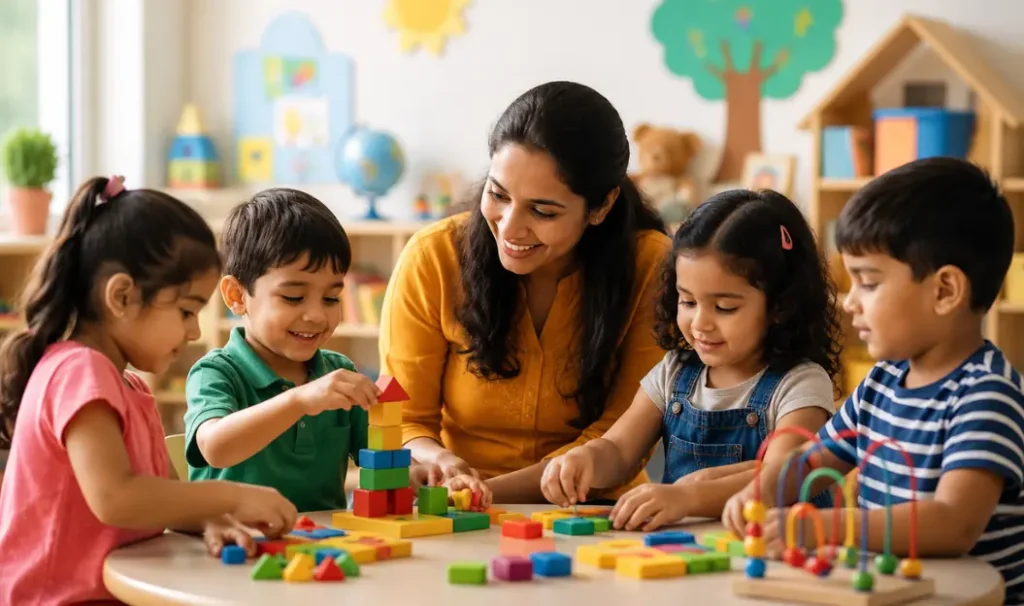
Deciding whether to send your child to nursery is one of the first big parenting decisions you face, and it rarely feels simple. Part of you wants to keep them close. Another part wonders whether they might thrive in a setting designed just for their age and stage. The good news is that research consistently […]
“Cheers” in Korean: Formal, Informal, and Slang Variations

“Geonbae” is a common Korean term. Friends use it when having drinks. The word is a lot like “cheers” in English. It means friendship. Everyone enjoys goodwill. The word “geonbae” originates from Korean. It means “empty glass.” Chinese characters “乾” (dry) and “杯” (cup) are the origins of the word: The word symbolizes drinking everything […]
15 Fun Language Games to Boost Your Kid’s Vocabulary

Language games for kids will improve vocabulary. It improves brain development and memory. The activities make learning fun, and the kids start to think creatively. They will gradually learn to solve problems and puzzles. The games keep the children engaged. Parents can use these games to create meaningful learning experiences. Here are a few recommendations. […]
How to Have an Honest Drug Talk With Your Child

How to explain drugs to a child requires a calm approach. Begin by explaining that drugs can harm their bodies and minds. Therefore, you must open communication. So, they feel comfortable asking questions. However, you must use easy to understand language. The strategy builds trust. You can guide them to make safe choices. Start By […]
Machine Learning for Kids: A Fun and Simple Guide (2026)

Every time your child asks Alexa a question, watches a YouTube video, or gets a “you might also like” suggestion on Netflix, machine learning is quietly working in the background. It is one of the most important technologies in the world right now, and the exciting news is that kids can start learning how it […]
What Does Mi Corazon Mean? Why ‘Mi Corazon’ Hits Right in the Heart
“Mi corazon” literally translates to “my heart” in English, and it’s much more than just a phrase, it’s a heartfelt expression of affection. Whether used romantically, with friends, or family, this Spanish term carries deep emotional power. If you’re interested in learning more about its meaning and cultural impact, keep reading our best article below! […]
Toddler Social Skills Activities: 40+ Ideas for Ages 1–4 (2026)
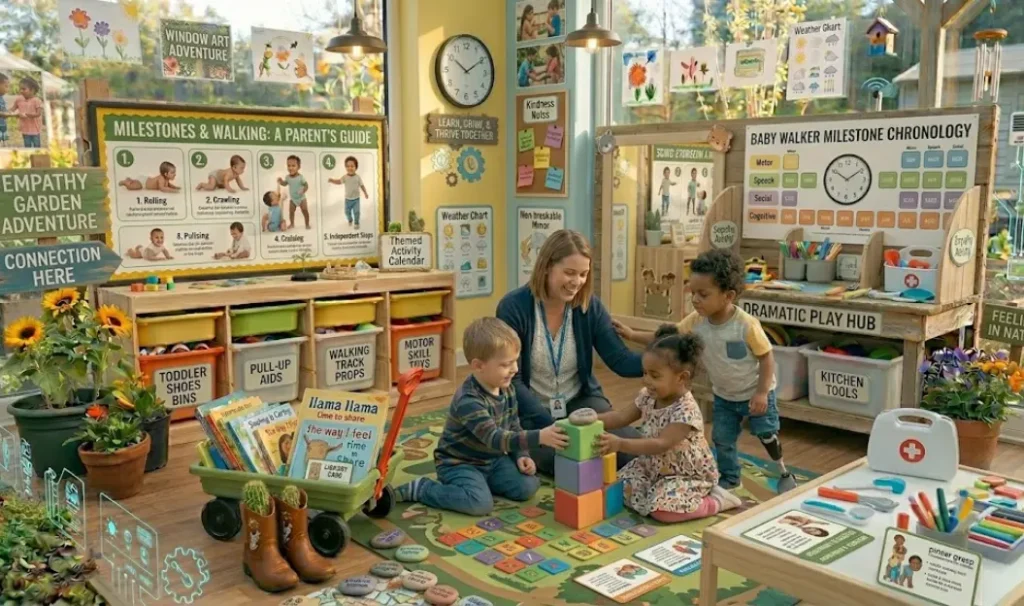
Social skills are not something children are simply born with or without. They are learned, practised, and gradually built through thousands of small interactions over the early years of life. For toddlers, the ages between one and four are the foundation period where the core building blocks of social competence first emerge: learning to take […]