How to Say Black in Different Languages

The color black carries different weight in different parts of the world. In some cultures it signals formality and sophistication. In others it represents mourning, strength, the unknown, or even good fortune depending on context. It’s one of those colors that almost every language treats as more than just a color. This guide covers how […]
What Does ‘Dónde Estás’ Mean? A Simple Guide to Spanish Phrases
“Dónde Estás?” means “Where are you?” in English. However, Spanish speakers use it to ask for someone’s location. It has many meanings. Therefore, keep reading to learn its meaning. You will learn about its cultural use. What does Dónde Estás mean? Dónde” means “where” “Estás” is the second-person form of “estar.” The word is a […]
Toddler Sleep: Everything You Need to Know (Ages 1–4)

If you have ever spent forty-five minutes getting a toddler to sleep, only for them to wake up at 5:30am fully refreshed and ready to dismantle the living room, you already understand that toddler sleep is its own category of parenting challenge. It is not simply a smaller version of adult sleep. It operates on […]
“Cheers” in Korean: Formal, Informal, and Slang Variations

“Geonbae” is a common Korean term. Friends use it when having drinks. The word is a lot like “cheers” in English. It means friendship. Everyone enjoys goodwill. The word “geonbae” originates from Korean. It means “empty glass.” Chinese characters “乾” (dry) and “杯” (cup) are the origins of the word: The word symbolizes drinking everything […]
What Does Mi Corazon Mean? Why ‘Mi Corazon’ Hits Right in the Heart
“Mi corazon” literally translates to “my heart” in English, and it’s much more than just a phrase, it’s a heartfelt expression of affection. Whether used romantically, with friends, or family, this Spanish term carries deep emotional power. If you’re interested in learning more about its meaning and cultural impact, keep reading our best article below! […]
Toddler Social Skills Activities: 40+ Ideas for Ages 1–4 (2026)
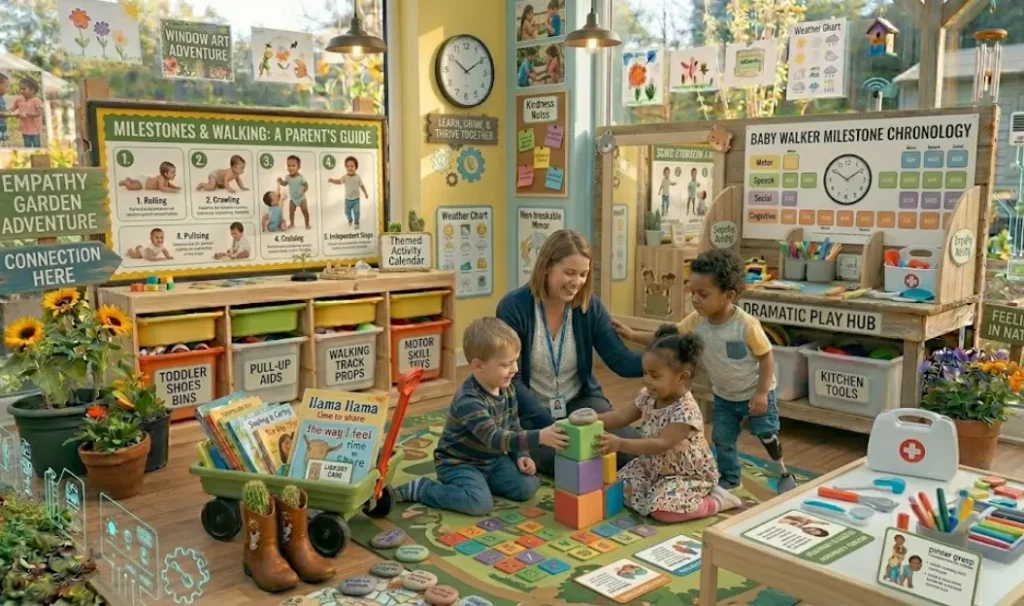
Social skills are not something children are simply born with or without. They are learned, practised, and gradually built through thousands of small interactions over the early years of life. For toddlers, the ages between one and four are the foundation period where the core building blocks of social competence first emerge: learning to take […]
When Do Babies Start Walking? Average Age, Signs & What to Expect
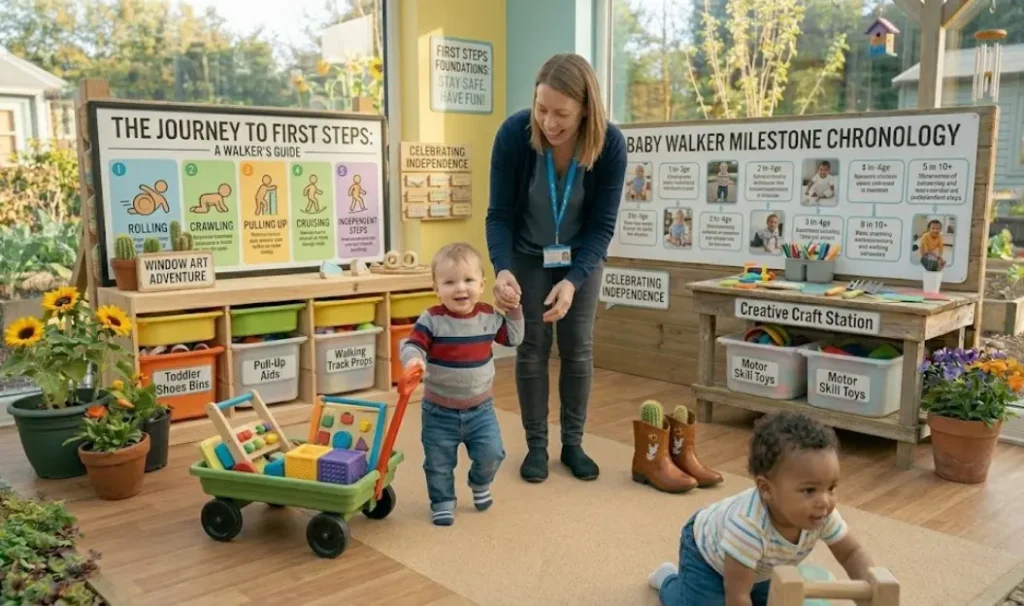
Walking is one of the most anticipated milestones in a baby’s first year, and one of the most variable. Some babies take their first independent steps at nine months and are running by their first birthday. Others are perfectly healthy, completely normal toddlers who do not walk until fifteen or even eighteen months. Understanding what […]
Baby Milestones Month by Month: Complete Guide (0–12 Months)
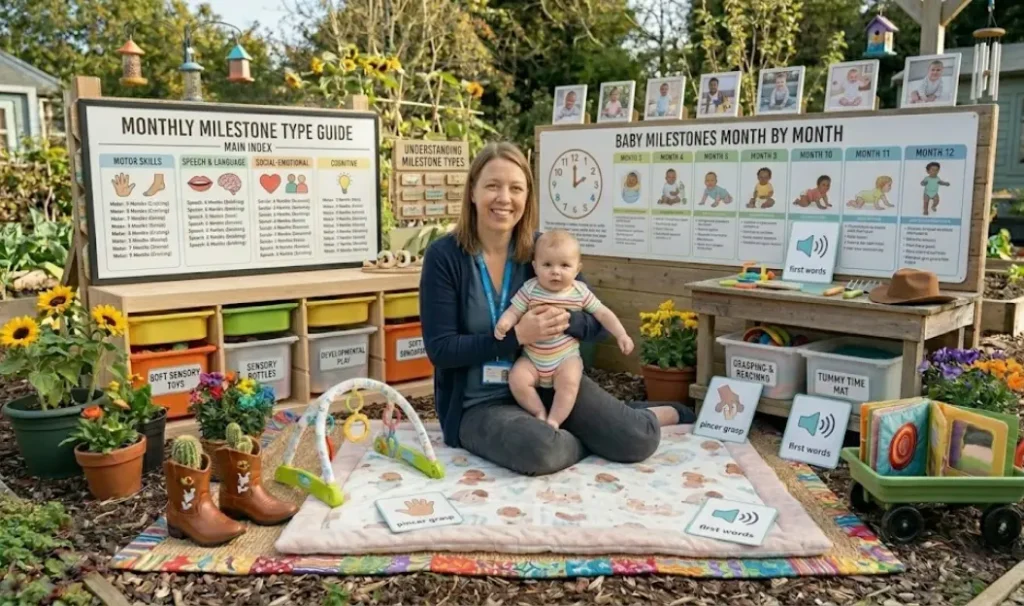
Every baby develops at their own pace, but understanding what to expect each month helps parents feel confident, spot potential delays early, and enjoy each stage with more awareness. This guide covers baby milestones month by month from birth through twelve months, including motor skills, language, social development, and cognitive growth, along with red flags […]
Compound Words for Kids: Complete List + Activities by Grade (2026)
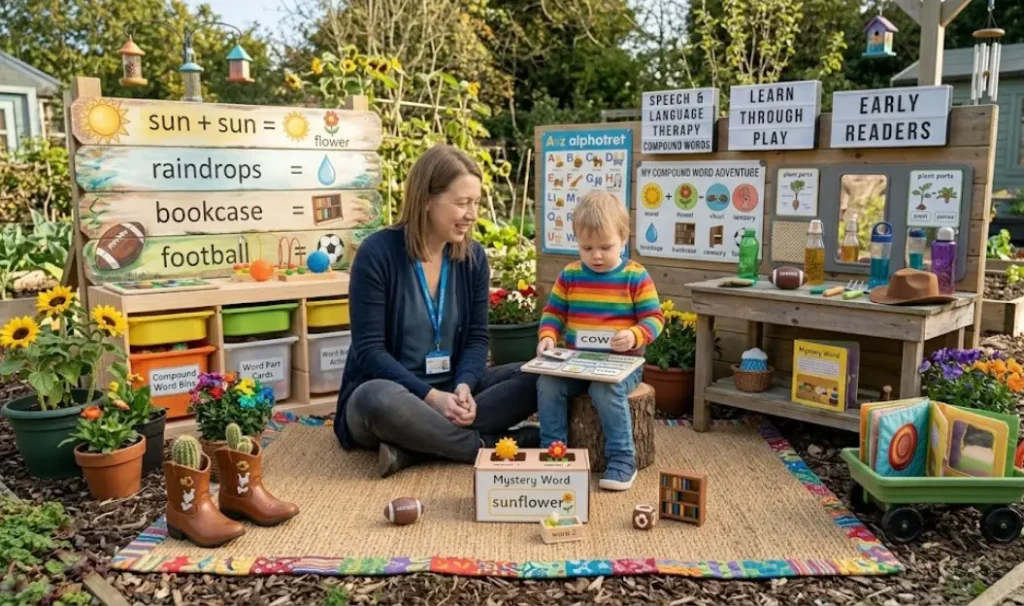
Quick answer: Compound words are two or more small words joined together to make a new word with a different meaning, like “sun” + “flower” = “sunflower” or “tooth” + “brush” = “toothbrush”. Kids typically start learning simple closed compound words in kindergarten (butterfly, baseball, rainbow) and progress to more complex open compounds (ice cream, […]
Alphabet Recognition Activities: Complete Guide for Teaching Letter ID 2026
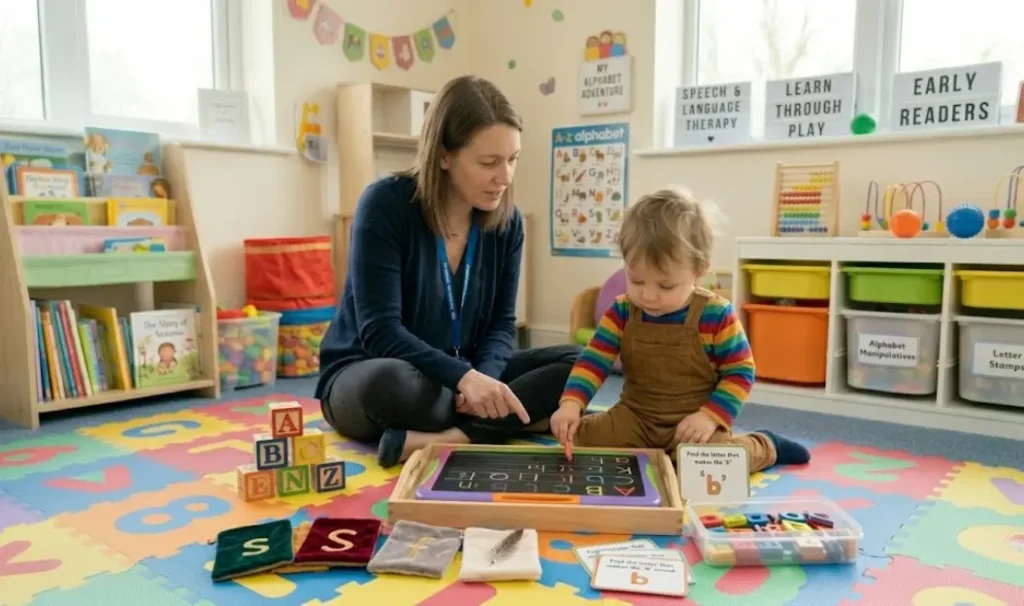
Quick answer: The best alphabet recognition activities use multisensory approaches combining visual, tactile, and kinesthetic learning: letter hunts, playdough letter formation, alphabet sensory bins, letter matching games, and hands-on crafts. For ages 2-3, focus on one letter weekly with repetitive exposure through songs, stories, and play. For ages 4-5, practice letter-sound connections and distinguishing similar […]